
Hydraulic Cranes
Hydraulic cranes represent a pinnacle of engineering innovation in the realm of heavy machinery. These powerful lifting devices have become indispensable in various industries, ranging from construction and manufacturing to shipbuilding and material handling. By harnessing the principles of fluid dynamics, hydraulic cranes offer a reliable and efficient solution for lifting and moving heavy loads.Hydraulic cranes represent a technological marvel that has revolutionized the way heavy lifting is conducted across various industries. Their versatility, lifting capacity, and mobility make them an indispensable tool for modern construction, manufacturing, and logistics. As technology continues to advance, hydraulic cranes are likely to evolve, further enhancing their efficiency, safety features, and overall capabilities.Mobile hydraulic cranes are often employed in emergency response situations, such as disaster recovery efforts. Their ability to quickly mobilize and lift heavy debris makes them valuable in critical situations.In the oil and gas industry, hydraulic cranes are utilized for tasks such as equipment installation, maintenance, and lifting heavy components in both onshore and offshore locations.
Key Features Of Hydraulic Crane
Lifting Capacity:Hydraulic cranes are renowned for their impressive lifting capacities. Ranging from small mobile cranes for light lifting to massive crawler cranes capable of hoisting several hundred tons, these machines can handle a diverse range of loads.
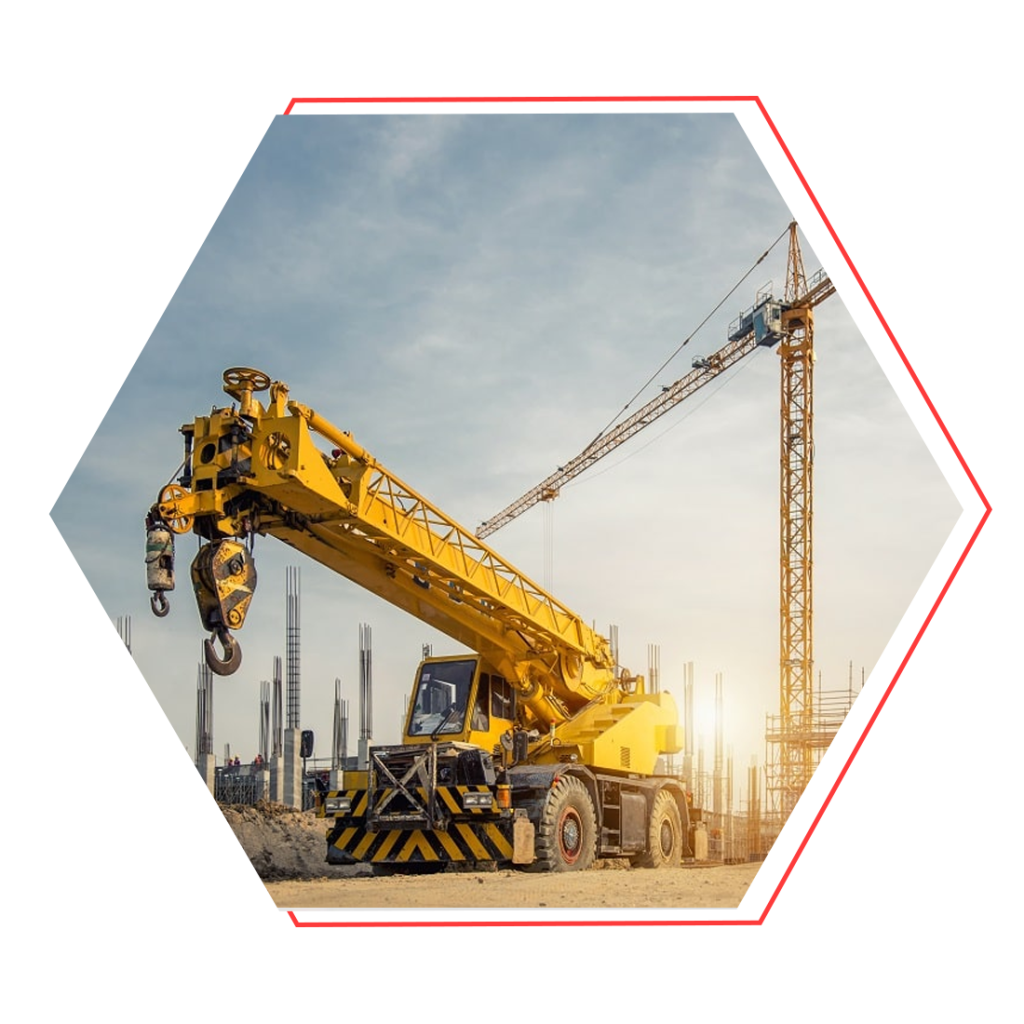
Mobility:Many hydraulic cranes are designed for mobility, featuring wheeled or tracked undercarriages. This flexibility enables them to navigate various terrains and reach locations that may be challenging for other types of cranes.
Telescopic Booms: Hydraulic cranes often come equipped with telescopic booms, allowing for height and reach adjustments. This feature is particularly valuable in construction projects where loads need to be lifted to considerable heights or extended horizontally over obstacles.
Operator Control:Advanced hydraulic cranes are equipped with sophisticated control systems that provide operators with precise control over the crane’s movements. Modern cranes may incorporate joysticks, touchscreens, or computerized interfaces to streamline operation and improve safety.
Shipping and Ports: Hydraulic cranes are commonly used in ports for loading and unloading cargo from ships. Their mobility and lifting capacity make them ideal for handling containers and other heavy loads in maritime environments.
Emergency Response:Mobile hydraulic cranes are often employed in emergency response situations, such as disaster recovery efforts. Their ability to quickly mobilize and lift heavy debris makes them valuable in critical situations.